
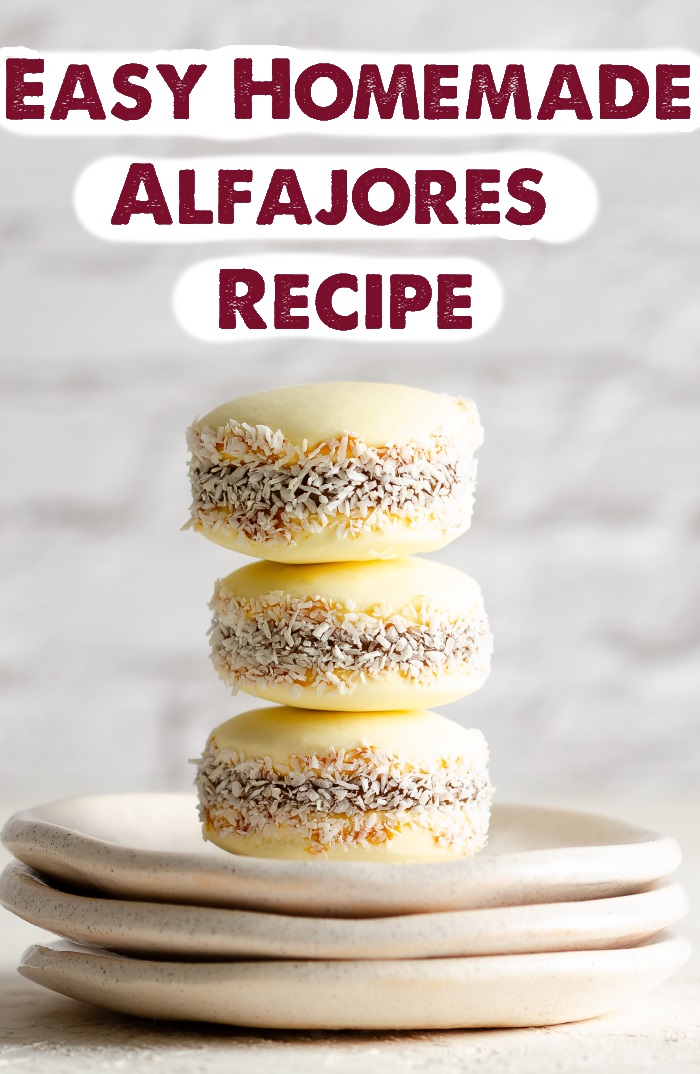
So, today I’m sharing a recipe for soft alfajores cookies filled with a generous layer of dulce de leche.
For these cookies, I chose a shortbread-style dough. It’s simple, made with basic ingredients like flour, butter, sugar, and egg yolks, with the addition of cornstarch for that signature texture. You just need to mix everything quickly to get a light, sandy consistency.
These alfajores are so nice and just melt in your mouth. The cookies have a tender bite, while the dulce de leche adds a rich and creamy filling.
They’re also quick to make, which makes them perfect when you want something homemade.
With this recipe, you can make around 20 to 25 alfajores, enough to share during an afternoon snack or enjoy with a cup of coffee. They’re just as good on their own as they are alongside something warm to drink, like hot chocolate or tea.
Trust me, they disappear fast.
If you like simple cookie recipes, this is definitely one to try.
What Are Alfajores
Alfajores are sandwich-style cookies made from two shortbread rounds filled with dulce de leche, also known as milk jam or caramel cream.
Even though they’re now strongly associated with Latin America, their origins go back to Spain, influenced by earlier Arabic sweets. Over time, the recipe traveled and evolved, especially in Argentina, where bakers adapted it using cornstarch to create a more delicate, tender cookie.
Today, many countries have their own version. Some are coated in chocolate, others rolled in coconut, and some filled with different creams. Still, the classic dulce de leche alfajor remains the most popular.
What You Need
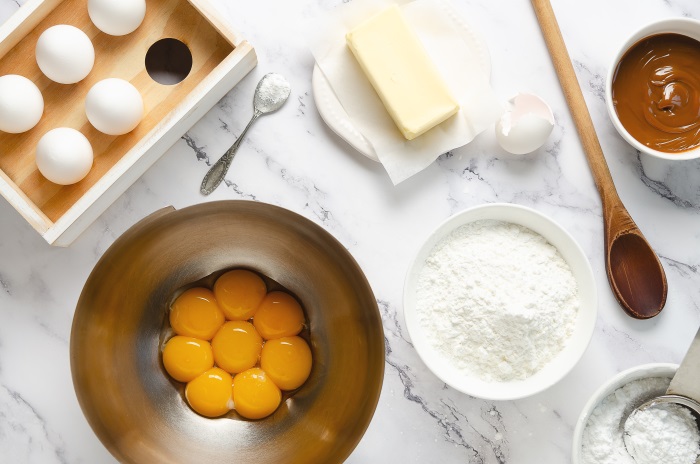
Butter
Gives the cookies their rich flavor and tender texture. Use softened butter so it mixes easily and creates a smooth base.
Powdered sugar
Helps create a light dough. It blends better than regular sugar and keeps the texture fine instead of grainy.
Egg yolks
Add richness and help bind the dough without making it heavy. Make sure they’re at room temperature for easier mixing.
Cornstarch
The key to that melt-in-the-mouth texture. Don’t reduce it or replace it, as it’s what makes alfajores different from regular cookies.
All-purpose flour
Gives structure so the cookies hold their shape. Measure it properly and don’t add too much, or the cookies can turn dense.
Lemon zest
Adds a light freshness that balances the sweetness. Use fresh zest for the best flavor.
Dulce de leche
The filling that brings everything together. Use a thick, spreadable version so it stays in place.
Shredded coconut or powdered sugar
Used for finishing. Coconut adds texture, while powdered sugar keeps it simple.
How To Make Alfajores
Step 1: Cream the Butter and Sugar
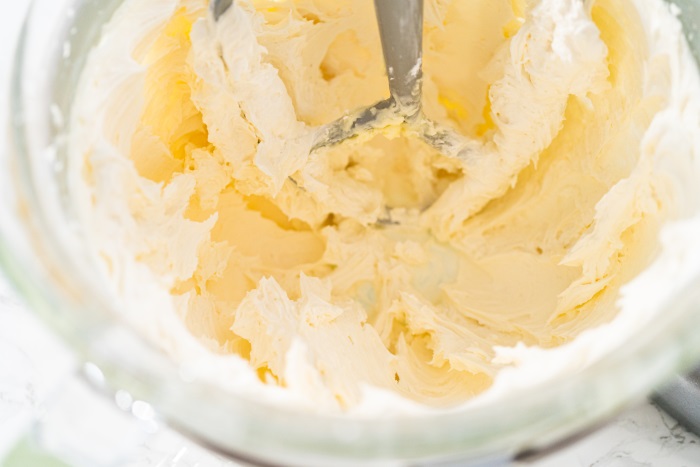
Start by mixing the butter and powdered sugar until smooth and slightly fluffy. I like using powdered sugar instead of granulated for a smoother dough and a more delicate texture. It makes a noticeable difference in how soft the alfajores turn out.
Add the egg yolks, vanilla extract, and lemon zest, then mix until fully combined.
The mixture should turn pale and airy.
Step 2: Prepare the Dough
In a separate bowl, combine cornstarch, flour, baking powder, and salt.
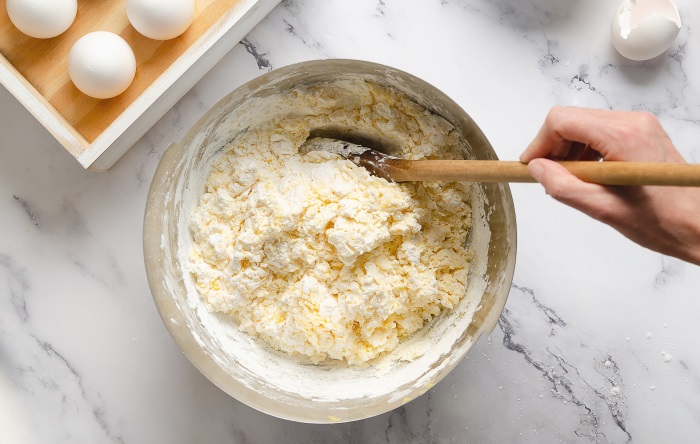
Gradually add the dry ingredients to the wet mixture and mix just until a dough forms. Avoid overmixing.
Tip: The dough should feel smooth and not sticky.
Step 3: Chill the Dough
Wrap the dough and place it in the fridge for 30 to 60 minutes.
This makes it easier to handle and helps the cookies hold their shape while baking.
Tip: It should be firm but still easy to roll.
Step 4: Roll and Cut
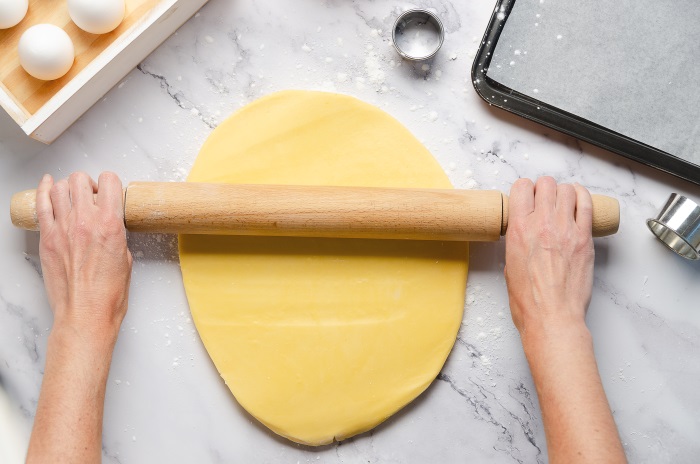
Roll out the dough to about 5 mm thickness on a lightly floured surface.
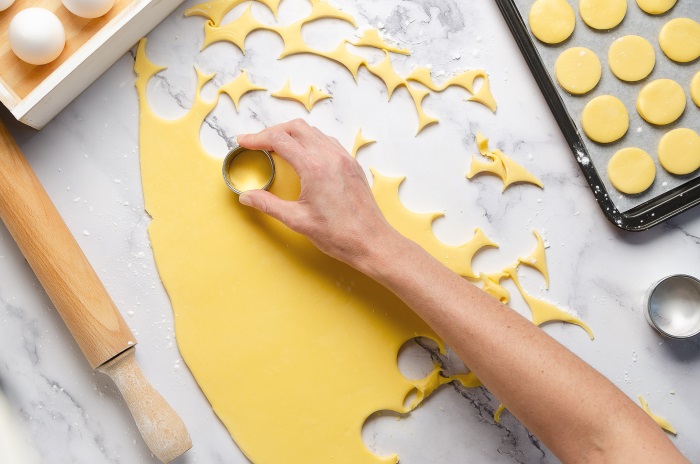
Cut into small circles, about 4 to 5 cm in diameter.
Tip: If the edges crack, let the dough rest briefly before continuing.
Step 5: Bake
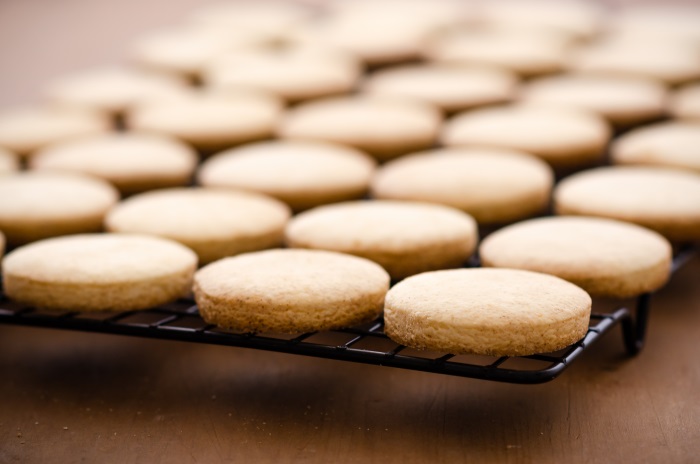
Place the cookies on a lined baking tray and bake at 160°C for 8 to 10 minutes.
Watch closely. They should stay pale.
They will firm up as they cool.
Step 6: Cool Completely
Let the cookies cool fully before handling.
Tip: Filling too early will cause the dulce de leche to slide.
Step 7: Fill and Assemble
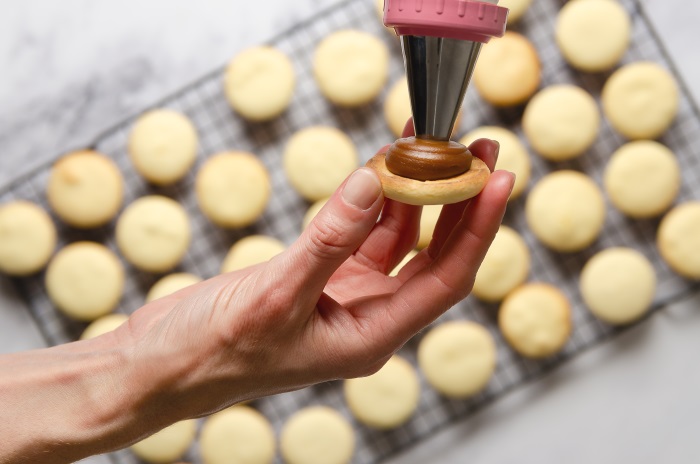
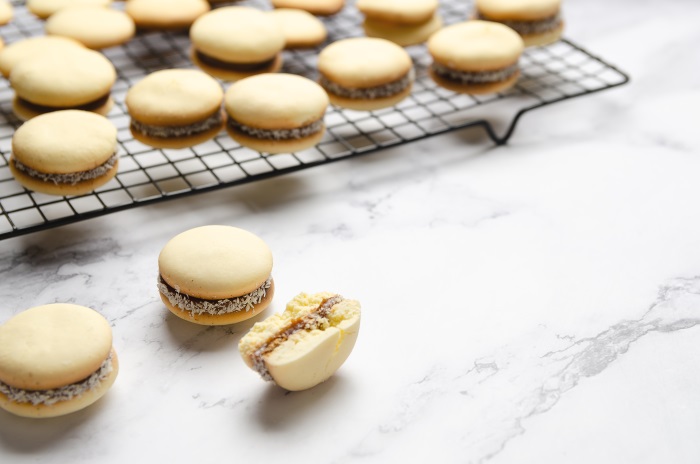
Spread a generous layer of dulce de leche on one cookie and sandwich it with another.
Use a thick filling so it stays in place.
Step 8: Finish
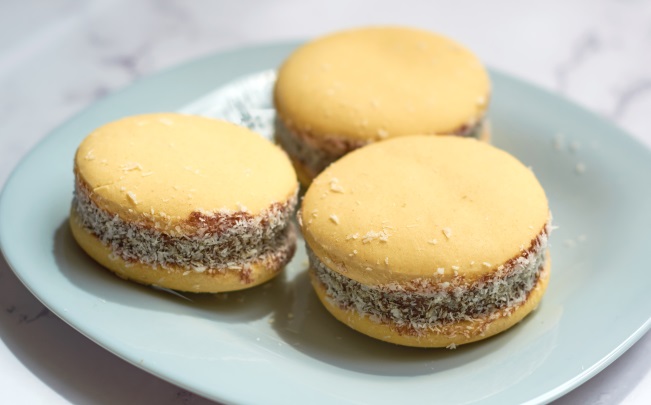
Roll the edges in shredded coconut or dust the tops with powdered sugar.
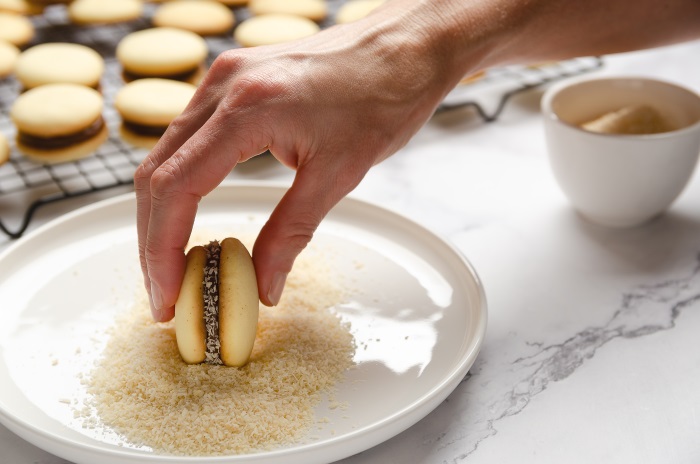
Press gently so the coating sticks.
Homemade alfajores recipe
Share on Facebook Share by EmailIngredients
- Cookies
- 200 g butter softened
- 100 g powdered sugar
- 3 egg yolks
- 1 tsp vanilla extract
- Zest of 1 lemon
- 300 g cornstarch
- 150 g all-purpose flour
- 1 tsp baking powder
- Pinch of salt
- Filling
- 400 –500 g thick dulce de leche
- Finishing
- Shredded coconut or powdered sugar
Instructions
- Mix butter and powdered sugar until light and smooth.
- Add egg yolks, vanilla, and lemon zest. Mix well.
- Mix cornstarch, flour, baking powder, and salt in a bowl.
- Add to wet mixture and mix until dough forms. Do not overmix.
- Wrap dough and chill for 30–60 minutes.
- Roll to about 5 mm thickness.
- Cut into 4–5 cm circles.
- Bake at 160°C for 8–10 minutes. Keep them pale.
- Let cookies cool completely before filling.
- Spread dulce de leche on one cookie and sandwich.
- Roll edges in coconut or dust with powdered sugar.
Notes
Fat: ~8 g
Protein: ~2 g
Sugar: ~9–10 g
How to Make Alfajores Without Eggs
If you want to make alfajores without eggs, it’s completely doable with a small adjustment to the dough.
The egg yolks in the original recipe add richness and help bind the dough, but you can replace them without losing too much of the texture.
Simple egg-free swap:
Replace the 3 egg yolks with 2–3 tablespoons of milk
This keeps the dough easy to handle while still giving you a soft result.
A few other good egg replacements:
You can replace egg yolks with one of the following:
3 tablespoons plant-based milk (almond or soy)
The easiest option. Keeps the dough simple and easy to handle.
2 tablespoons yogurt (plant-based or regular)
Adds a bit more richness and helps with structure.
1 tablespoon cornstarch + 2–3 tablespoons milk
Closer to the original texture. Helps keep the cookies soft and light.
1 tablespoon applesauce
Works, but adds a slight flavor and makes the dough a bit softer.
1 tablespoon neutral oil + 2 tablespoons milk
Adds a bit of richness similar to egg yolks and keeps the dough tender.
1 tablespoon sour cream or crème fraîche
Works well in non-vegan versions. Adds richness and helps bind the dough.
1 tablespoon mashed banana
Can work in small amounts, but adds flavor. Use only if you don’t mind a slight taste.
What NOT to add (better to avoid)
Flax egg or chia egg → too gel-like for this dough
Too much applesauce → makes cookies too soft and heavy
Best practical combo (if you keep only a few)
Stick with: milk, yogurt, cornstarch + milk
Those give the most consistent results without changing the texture too much.
Tip: Choose a replacement that keeps the dough light. Heavier substitutes can change the texture and make the cookies less delicate.
What to expect:
- The cookies will be slightly less rich
- Texture will still be tender, but a bit more crumbly
- Flavor stays very close to the original
Helpful tip:
Add the milk or other egg substitute gradually. The dough should come together but not feel sticky.
Everything else in the recipe stays the same, including baking time and temperature.
How to Make Vegan Alfajores
You can make alfajores fully vegan with a few simple swaps. The texture will be slightly different, but still very good.
Butter replacement:
Use a good-quality plant-based butter (not margarine). It should be firm, not too soft, so the dough holds properly.
Egg yolk replacement:
As mentioned earlier, replace the 3 egg yolks with 3 tablespoons of plant-based milk (like almond or soy).
Add it gradually until the dough comes together.
Dulce de leche:
Use a vegan dulce de leche or caramel-style spread. Coconut-based versions work especially well.
What to expect:
- Slightly more crumbly dough
- Flavor depends on the plant butter you use
- Still soft with a good bite once assembled
Helpful tip:
Chill the dough well before rolling. Vegan dough tends to be softer and benefits from extra chilling time.
Everything else stays the same, including baking temperature and timing.
How to Make Gluten-Free Alfajores
Alfajores are actually one of the easier cookies to adapt to a gluten-free version since the recipe already uses a large amount of cornstarch.
Flour replacement:
Replace the all-purpose flour with a gluten-free flour blend (1:1 type). This is the easiest and most reliable option, as it keeps the structure without changing the texture too much.
If you don’t have a blend, you can also use other gluten-free flours, but the choice matters.
Best gluten-free flour options:
Rice flour
Light and neutral in flavor. Works well with cornstarch, though it can be slightly dry on its own.
Tapioca flour
Helps create a softer texture. Best used in small amounts to improve the final result.
Almond flour
Adds moisture and a subtle nutty flavor. Use only part of it, or the cookies may become too fragile.
Potato starch
Very light and soft. Helps keep the cookies delicate and closer to the classic texture.
Oat flour:
It can be used, but it’s not ideal as a full replacement. Oat flour is heavier and absorbs more moisture, which can make the cookies denser. If you want to use it, replace only part of the flour (about 30–40%) with oat flour
Keep the rest as a gluten-free blend or cornstarch.
Check your other ingredients:
Make sure your baking powder and dulce de leche are labeled gluten-free, just to be safe.
Cornstarch stays the same:
Do not change the amount. It’s essential for that soft, tender texture and is naturally gluten-free.
What to expect:
- Texture stays very close to the original
- Slightly more delicate dough
- Same soft result when baked properly
Helpful tip:
Chill the dough well before rolling and handle it gently, as gluten-free dough can be more fragile.
Other Things You Can Try
- Dip them in melted chocolate
- Fill with hazelnut spread or salted caramel
- Roll the edges in chopped nuts instead of coconut
- Add cocoa powder to the dough for a chocolate version
How to Serve Alfajores
- With coffee or tea
- As a homemade gift
- During holidays or gatherings
- As an everyday sweet snack
Storage Tips
Store in an airtight container at room temperature for up to 4 days
Refrigerate if needed, but bring to room temperature before serving
You can freeze unfilled cookies and assemble later
How to Get That Perfect Alfajores Texture
Getting alfajores right comes down to a few small details that make a big difference.
Use more cornstarch than flour
This is what gives alfajores their signature delicate texture. If you add too much flour, they start to feel more like regular cookies instead of that light, tender bite.
Don’t let them brown
They should stay pale in the oven. Even a light golden color usually means they’ve baked too long and will lose that softness.
Let them rest after assembling
This step is often skipped, but it changes everything. After a few hours, the dulce de leche slightly softens the cookies and brings everything together.
Work the dough as little as possible
Mix just until it comes together. The more you handle the dough, the more structure it develops, which takes away from the final texture.
Why Your Alfajores Don’t Taste Like Bakery Ones
Well, if your alfajores come out more like standard cookies, there are usually a few reasons behind it.
Store-bought versions often use extra fat or stabilizers, which gives them a very consistent texture. At home, small changes in the dough make a big difference.
The most common issues are using too much flour, baking them too long, or using a filling that’s too soft or too firm. Each of these affects the final result more than you’d expect.
If they don’t have that delicate, almost melt-away feel, it usually comes down to one of these points.
Choosing the Right Dulce de Leche
- The filling plays a bigger role than most people think.
- If it’s too runny, it will leak out the sides and make the cookies messy. If it’s too thick, it becomes hard to spread and doesn’t give that smooth bite.
- The ideal dulce de leche should be thick but still creamy, something that holds its shape on a spoon without being stiff.
- If yours feels too loose, chilling it for a bit helps. If it’s too firm, give it a quick stir to loosen it slightly before using.
When Are Alfajores Best?
Alfajores actually change a bit over time, and knowing when to serve them makes a difference.
Right after assembling, they have a more crumbly texture. Still good, just a bit lighter.
After a few hours, they hit their sweet spot. The filling softens the cookies slightly, and everything feels more balanced.
The next day, they become even softer and more cohesive, which is how many people prefer them.
FAQs
What is the difference between alfajores and regular cookies?
Alfajores are softer and more delicate, often made with cornstarch, and always filled, usually with dulce de leche.
Can I make alfajores without cornstarch?
You can, but the texture will be different. Cornstarch is what gives them their signature softness.
What is the best dulce de leche for alfajores?
A thick, spreadable version works best, so the cookies hold together properly. Thick dulce de leche is often the right choice for desserts and one perfect example is my millionaire bars recipe.
Why are my alfajores hard?
They were likely overbaked or the dough was overmixed. Keeping them pale or light brown is key here.
Can I freeze alfajores?
Yes. You can freeze the cookies before or after filling, though fresh is always best.
